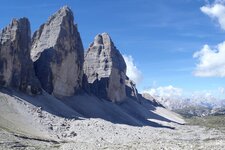
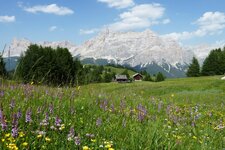
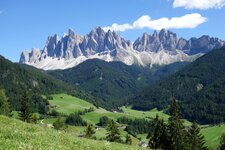
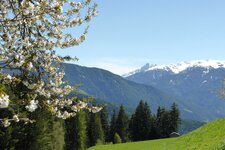
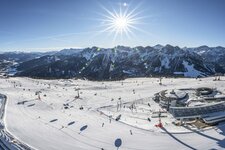
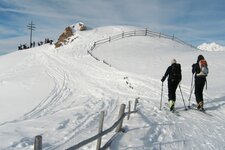
The Dolomites, part of the southern Limestone Alps, are characterised by rugged and bizarre rock formations and can harken back on a 200-million-year long history



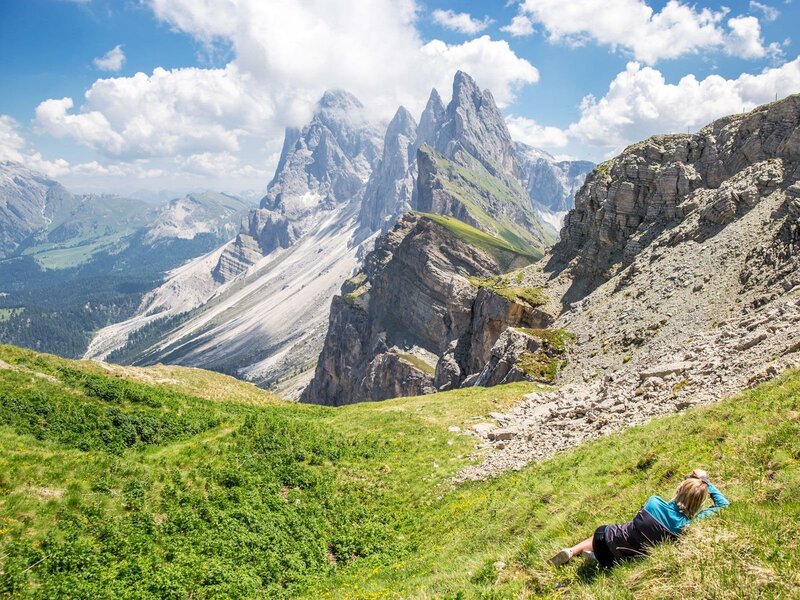


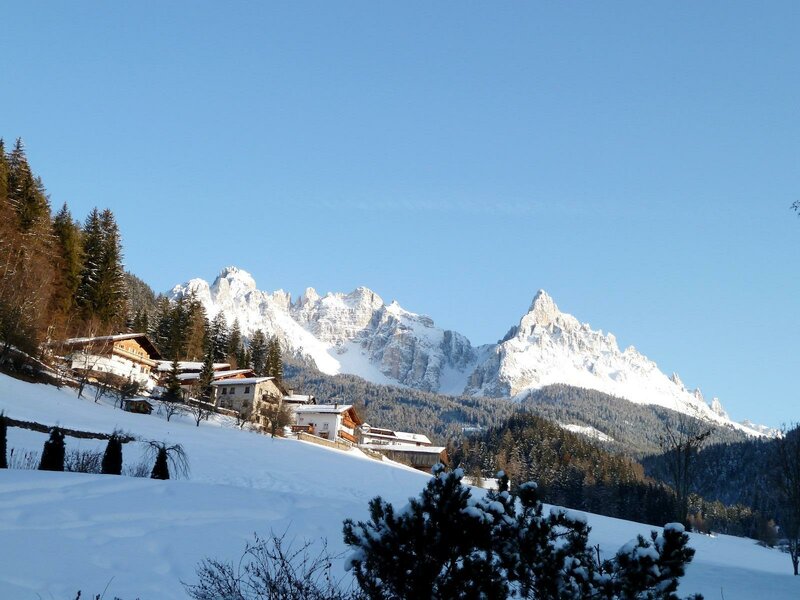


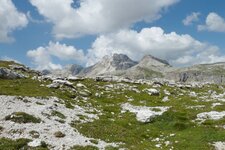
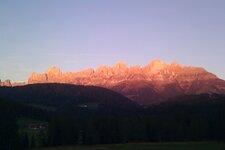
The world-famous Dolomites belong to the five Italian provinces South Tyrol, Trentino, Belluno, Udine and Pordenone. Bizarre rocks and majestic peaks characterise the Dolomites, also referred to as "Pale Mountains", or "Monti Pallidi" in Italian. At sunset they appear in a red light, which is an amazing natural spectacle: This phenomenon is called Enrosadira and can be seen from the Dolomite valleys: Val Badia, Val Pusteria, Val Gardena, Val di Funes, Siusi Alp. Due to the beauty and special geology, which gives an insight into several different stages of the history of earth, the Dolomite mountains have officially been added to the World Heritage Site list on June 26, 2009.
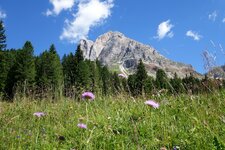
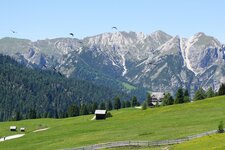
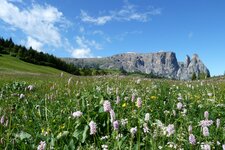
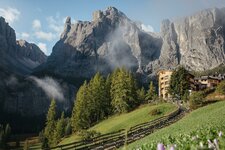
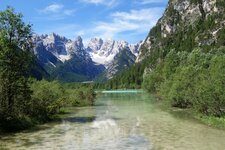
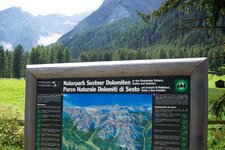
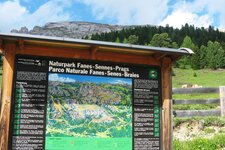
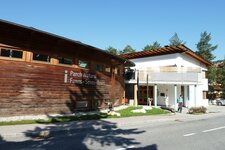
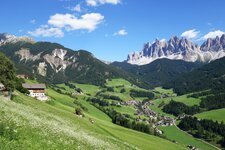
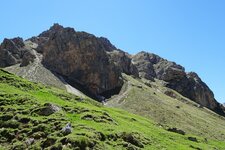
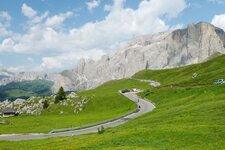
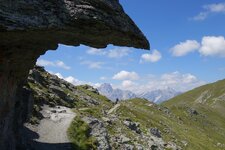
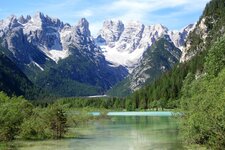
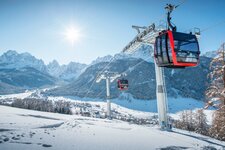
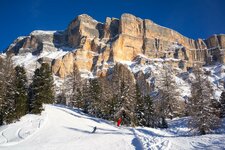
Another characteristic is its abrupt alternation of bizarre rocks and gentle meadows. Moreover the Dolomites are perfect for alpine sports such as mountaineering and hiking: There are for instance ten different long-distance hiking trails and high routes snaking in this mountain group. In between you'll find stunning lakes such as Lake Braies and Lake Landro. Large parts of the Dolomites are protected in several nature parks - from the mountains itself and their formations tell excursion destinations such as the Fanes-Senes-Braies Visitor Centre, and legends, e.g. the one of the Pale Mountains. In winter, the skiing areas open their doors in the Dolomites, which can also be explored along the Sellaronda, a unique ski round trip around the Sella Massif.
- Highest peak: Mt. Marmolada (3,342 m a.s.l.), first ascent on August 3, 1802, by Don Giovanni Costadedòi, Don Giuseppe Terza and Don Tommaso Pezzei
- Most significant mountains: Sella Group, Catinaccio, Puez Group, Odle Group, Sciliar, Latemar Group, Braies Dolomites, Sesto Dolomites
- Area: South Tyrol, Trentino, Belluno, Udine, Pordenone (all of them in Italy)