Culture and innovation converge in the Alpine town of Bolzano - an inspiring blend of north and south

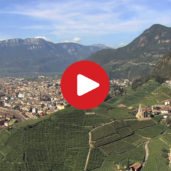
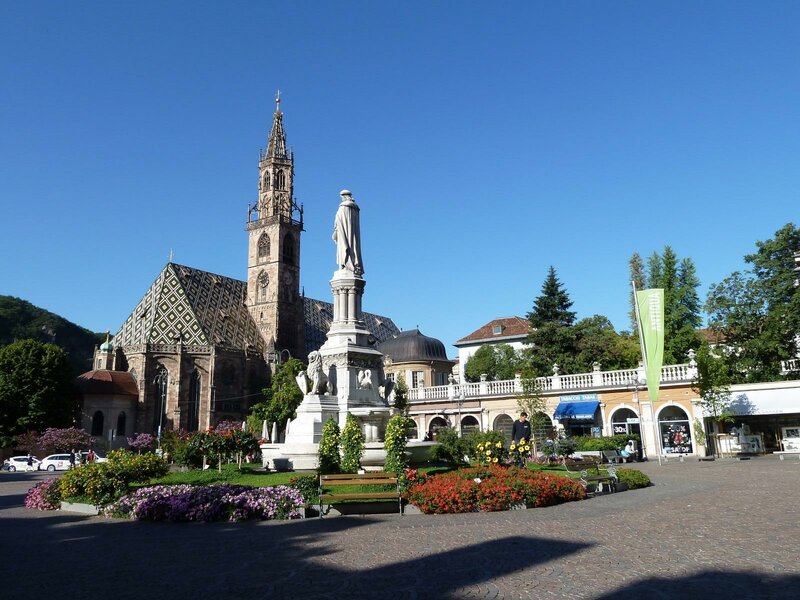
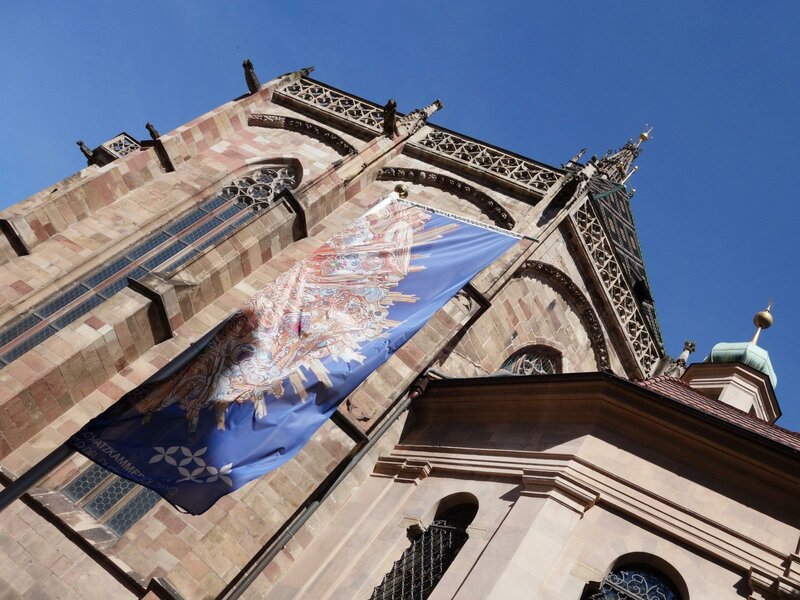

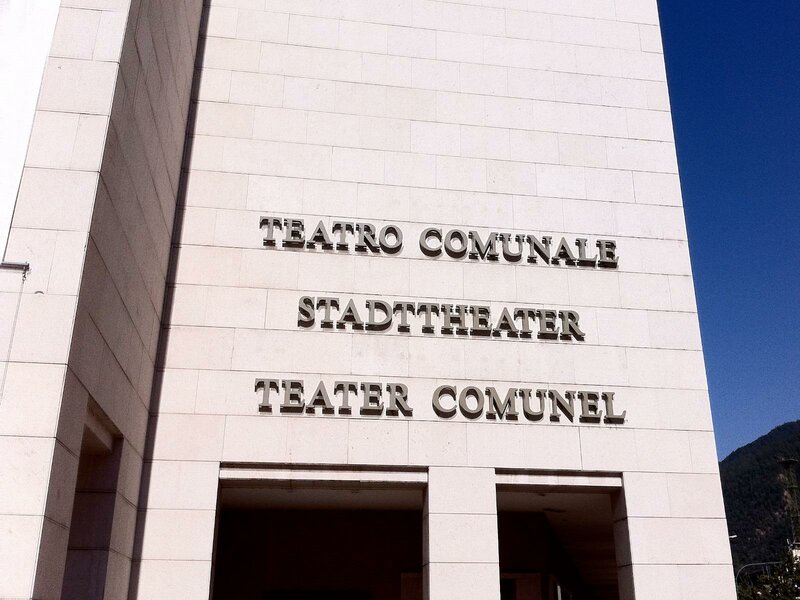
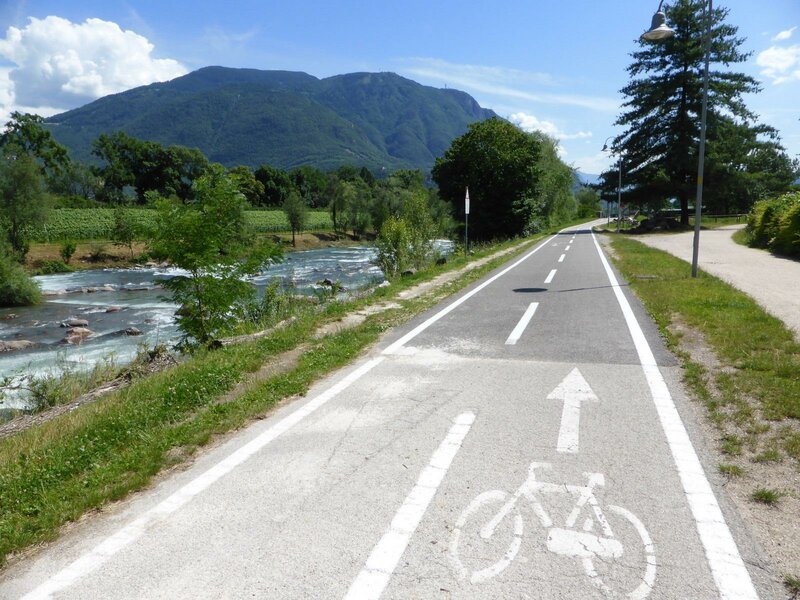
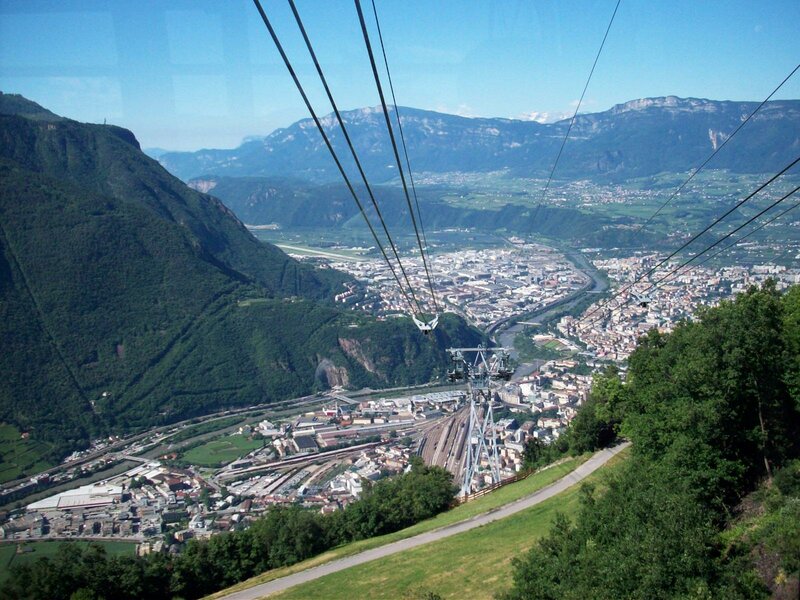
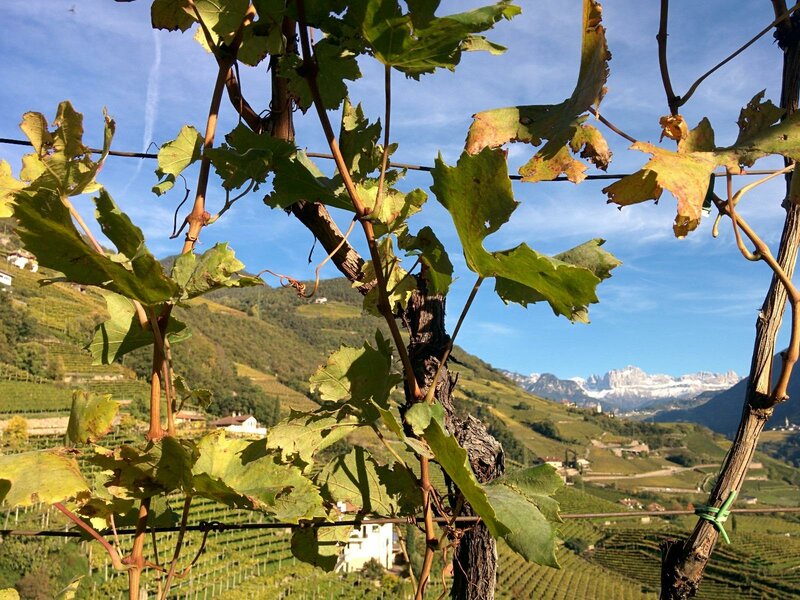
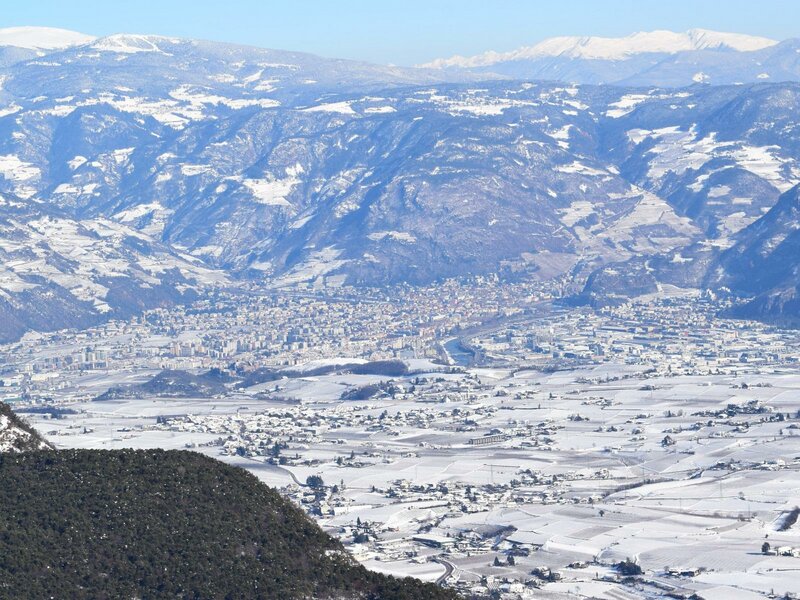
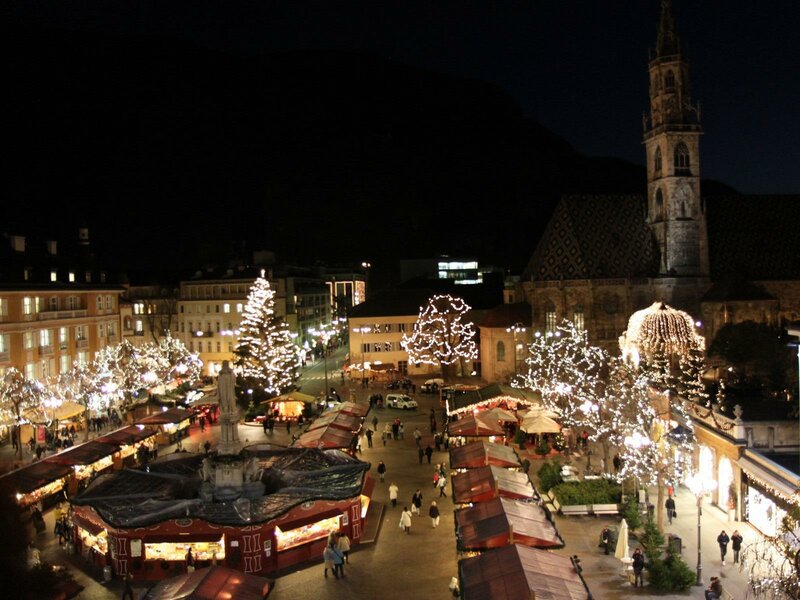

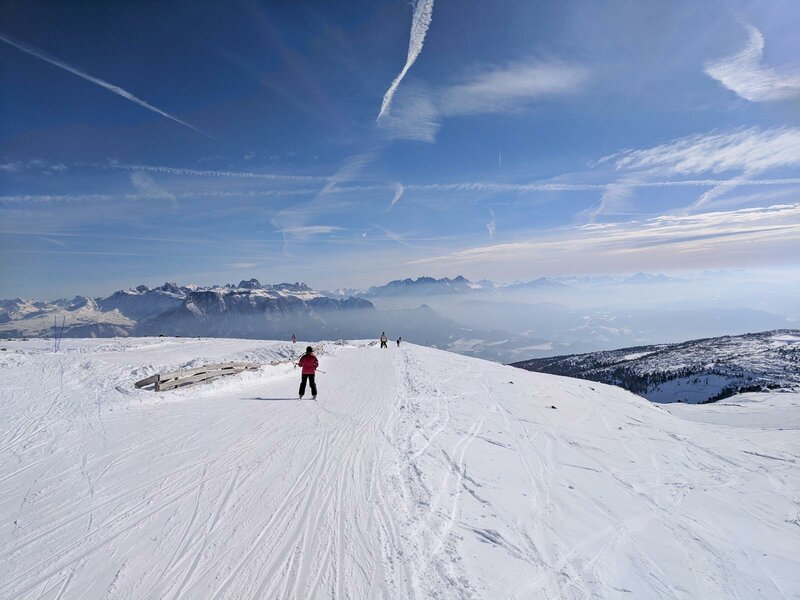
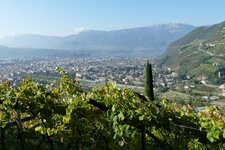
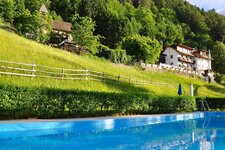
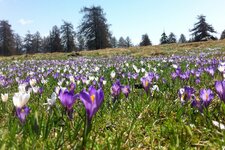
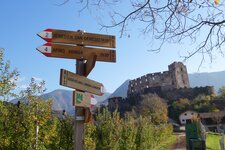
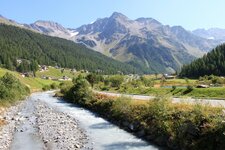
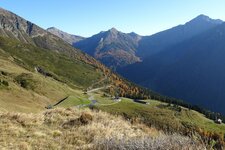
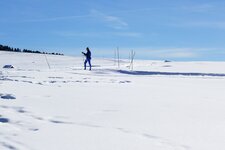
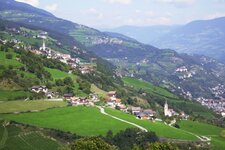
South Tyrol's capital, Bolzano, lies in a basin from which numerous valleys extend in various directions: the Val Sarentino, the Valle dell'Adige, the Valle Isarco, and the Wine Road towards the south. This unique location allows for hikes directly from the town, excursions to higher altitudes via cable cars, and in winter, skiing after a visit to the Christmas Market.
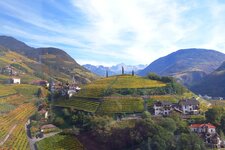
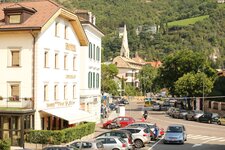
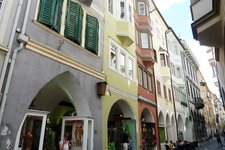
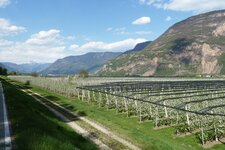
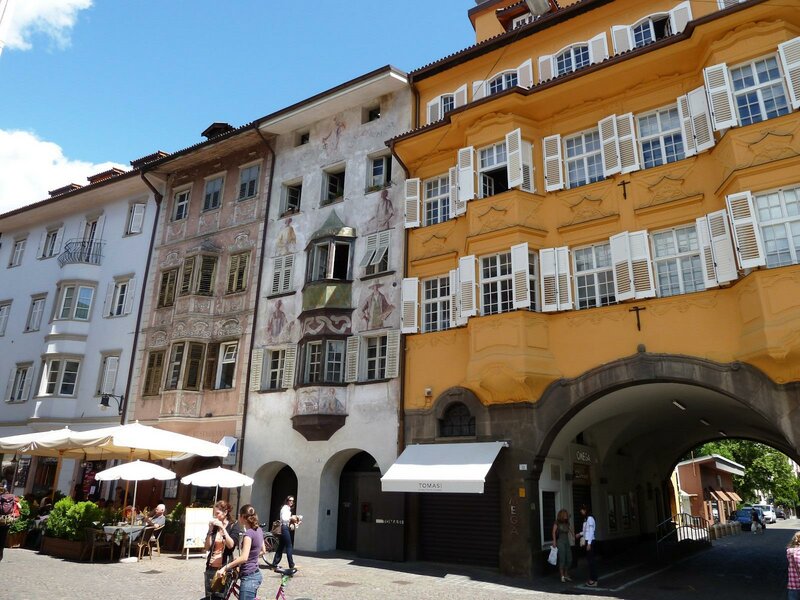
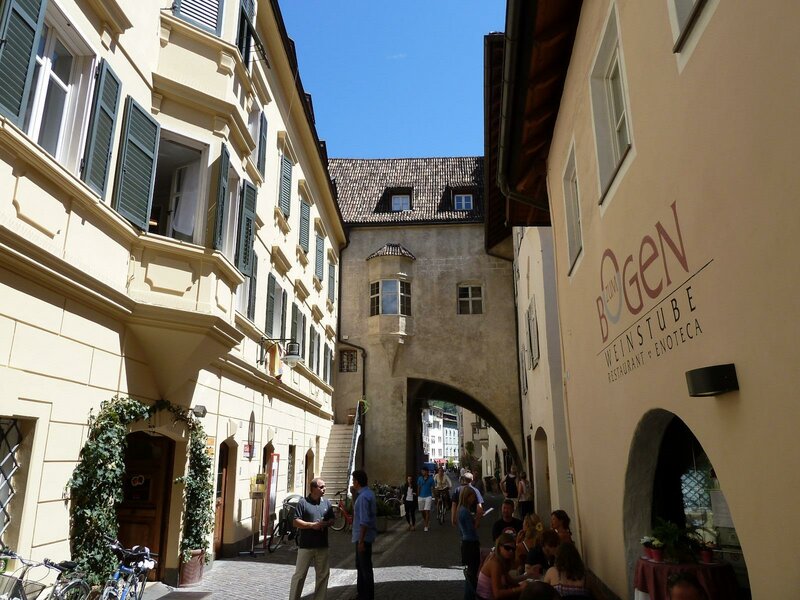
In the mild climate of the outskirts, grapes flourish for the popular South Tyrolean wines, Santa Maddalena and Lagrein. The town boasts a long history: Settled millennia ago, a medieval urban layout with a moat and the traditional arcades emerged. These arcades, beneath which the arcaded houses line up and where trade was conducted in the past, still form Bolzano's most popular shopping street.
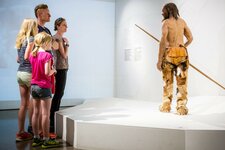
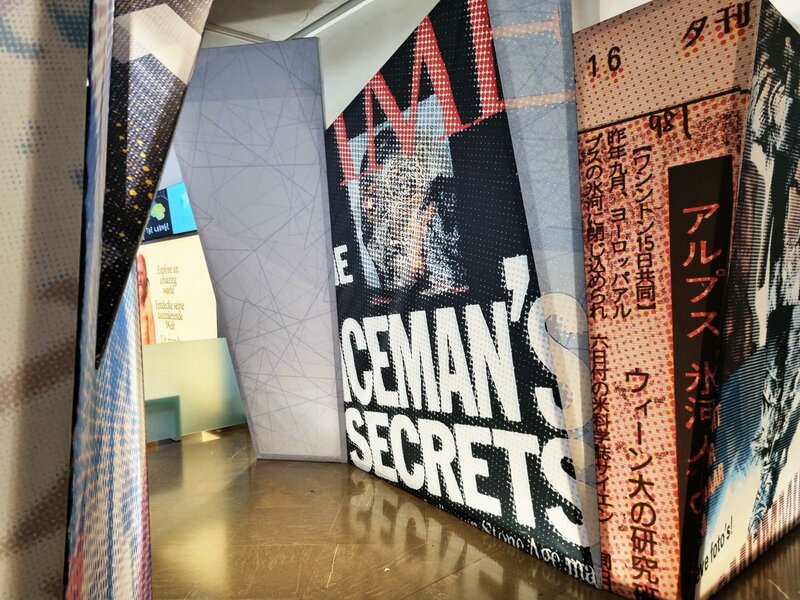
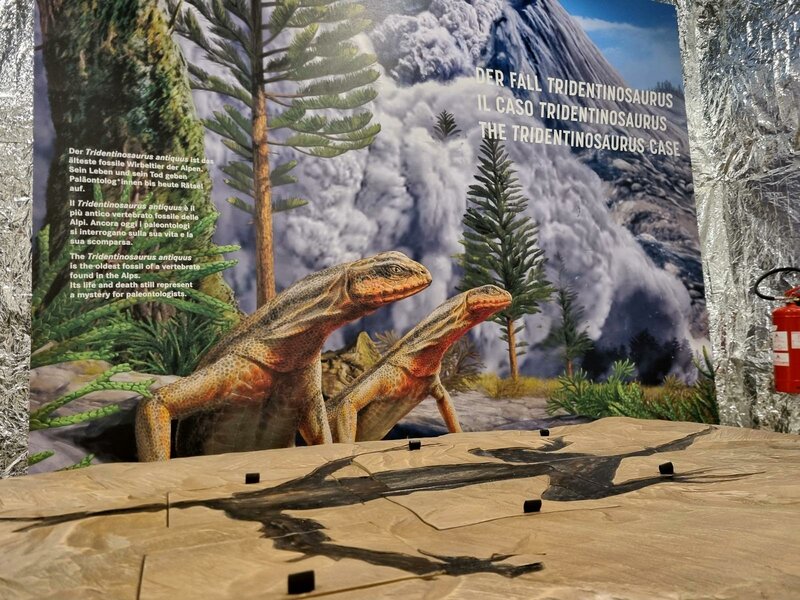
Under Claudia de' Medici, Bolzano gained European renown as a trade fair location between north and south, eventually developing into a popular holiday destination. Gries, in particular, enjoyed global fame as a health resort. Numerous museums and castles are among Bolzano's top attractions and tell its story, including the South Tyrol Museum of Archaeology, the South Tyrol Museum of Nature, and the Mercantile Museum.
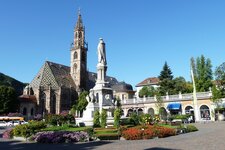
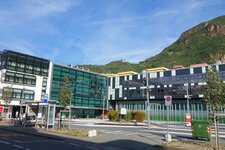
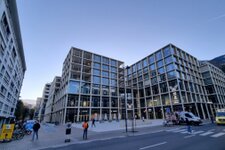
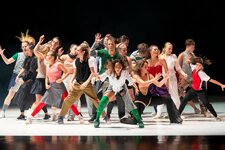
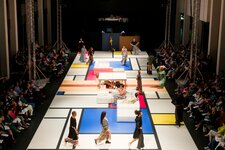
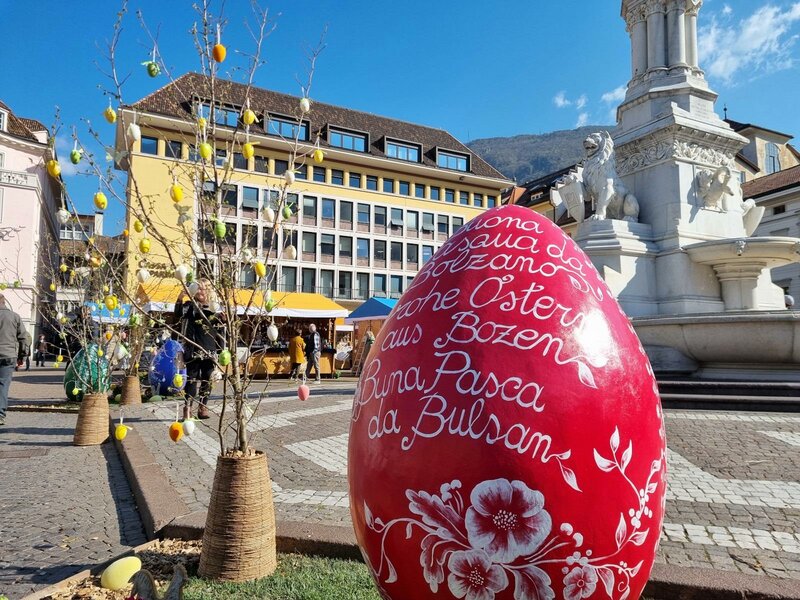
The cultural offerings are complemented by the festivals celebrated in Bolzano: The Bolzano Film Festival, the Jazzfestival, the Ferruccio Busoni Piano Competition, and Transart are the international events - the Flower Market, the Harvest Festival, and the Christmas Market take place on Walther Square. Today, the municipality extends from the small hamlet of Colle down to Bolzano's old town and from the historic health resort of Gries up to Oltrisarco-Aslago with Flavon Castle. To the west lie Firmiano and Casanova, the new districts with their own railway station, and to the east, the historic vineyards of Santa Maddalena, where the road leads up to the Renon.
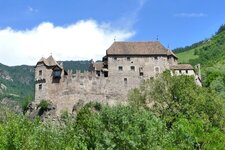
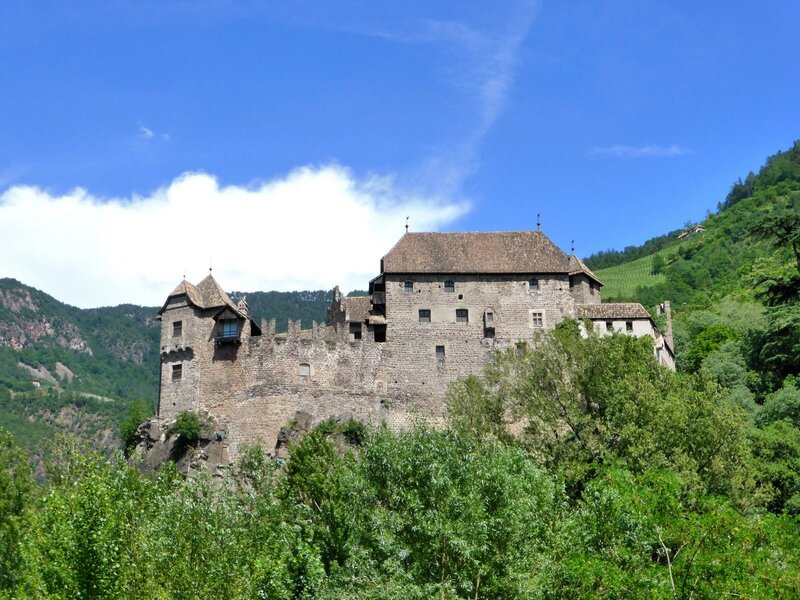
At the entrance to the Sarentino Valley, above the Talvera Meadows recreation area, sits Roncolo Castle, the renowed "Illustrated Castle". Bolzano was the first town in Italy to be awarded "Climate Municipality Gold", the highest European accolade for municipal climate protection.