Novale di Laion is the possible birthplace of the famous minnesinger Walther von der Vogelweide
Image gallery: Novale di Laion



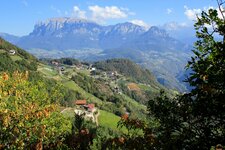
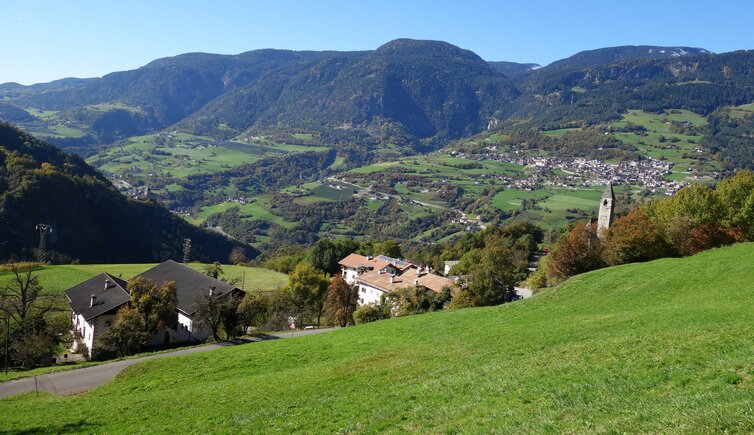
Many small places in South Tyrol are called Ried (Novale), as the word simply means "clearing" or "moor". Since the marshy valley floor of the Isarco Gorge was uninhabitable for a long time, the surrounding slopes also had to be cleared for settlement. However, the area where Novale di Laion (Ried bei Lajen, also called Lajener Ried) is located today was already settled in the Stone Age. The sunny slopes of the Valle Isarco were discovered early on for winegrowing.
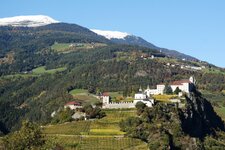
The history of Laion is long, but one name stands out: Walther von der Vogelweide (1168-1230), the most important German-language lyric poet of the Middle Ages. His origin has not been fully clarified to this day: One of the possible birthplaces is thought to be the Vogelweider Farm in Novale, while another is in Lower Austria. Two centuries later, another important minnesinger, Oswald von Wolkenstein, spent his childhood at the nearby Trostburg Castle.
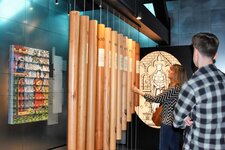
The Vogelweide Round Path takes you in the footsteps of the minnesinger today: First, you can visit the Minnehus Laion, a multi-sensory museum, before taking a pleasant walk to the Vogelweider Farm. Vines and chestnut forests surround the small hamlet. The long tradition of winegrowing here is also evident in the Church of Saint Catherine in Novale: Inside, there are numerous frescoes. One of them depicts Saint Urban, the patron saint of wine, handing a bunch of grapes to a child. The columns are also decorated with vine motifs.
In autumn, the wine and sweet chestnuts are served. The Toerggele farms in Novale invite guests for Toerggele afternoons and evenings in October and November, serving homemade "Schlutzer", new wine, dumplings, and a meat platter. For dessert - or as a snack in the afternoon - there are roasted chestnuts, called "gebrotene Keschtn" in South Tyrolean dialect, and sweet Krapfen.