People in the Val Ridanna, an area with a long mining history, still tell stories of the “Giantess of Ridanna”



.jpg)


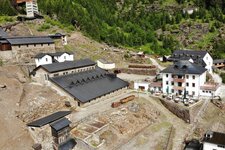
Maria Fassnauer was a woman born in Ridanna who, at the end of the 19th century, became a European sensation due to her unusual height of 2.27 metres, performing in circuses and variety shows. After several years on the road, the "Giantess of Ridanna" returned to her home village. Today, the Ridanna Mining Museum tells her remarkable story with a life-sized figure.
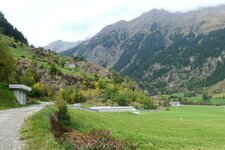
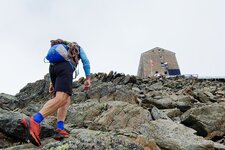
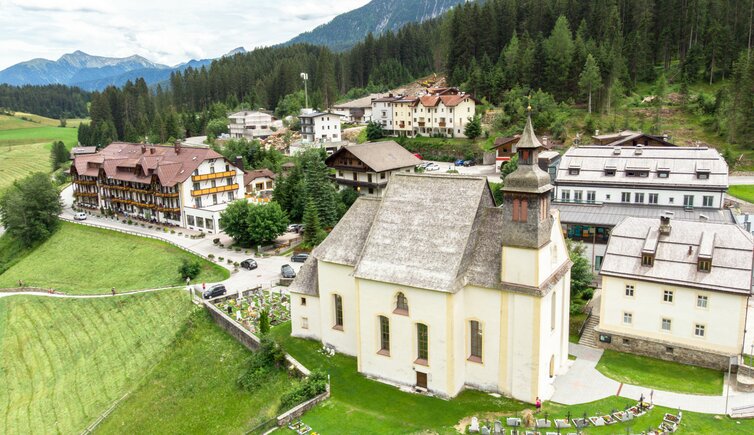
The museum is recognisable from a distance. High above it are the mine on the Monteneve - once the highest in Europe - and Europe's highest mountain hut, the Rifugio Gino Biasi al Bicchiere. Ore was transported from the mine to Ridanna (Ridnaun) for processing. Today, the village centre is grouped around the school, the Parish Church of St. Joseph, a sports shop and a grocery shop. The Val Ridanna valley also includes the hamlets of Ried, Kalchern, Braunhöfe, Masseria with its little Church of St. Lawrence, and Gasse, home to the miners' church of St. Magdalene.
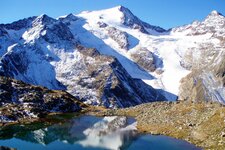
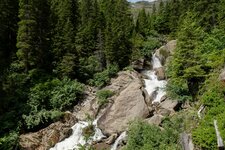
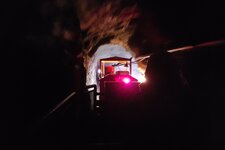
The valley extends deep into the Stubai Alps. For 800 years, silver, lead and ore were mined here, until the miners were eventually replaced by hikers, mountaineers and winter sports enthusiasts. Today, you can explore Ridanna on the "Obere Erzstrasse" (Upper Ore Path), which ends at the mining museum, on the magnificent Seven Lakes Tour or along the panoramic trail through the Burkhard Gorge. This route follows a former porters' path that had long been forgotten.
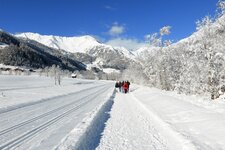
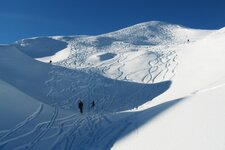
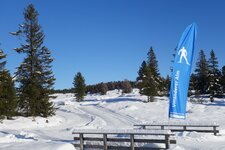
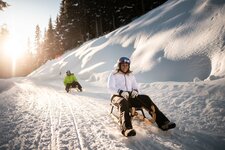
In winter, a small ski lift with a practice slope in the hamlet of Gasse and the Stadelalm toboggan run provide a variety of activities. Ridanna also has a biathlon centre where top athletes train for international competitions. The eight-kilometre-long Val Ridanna circular cross-country trail follows the Rio Ferner stream to Braunhöfe before leading back to Masseria (Maiern).